
Why Signage Printing in Kent Needs Weather Planning
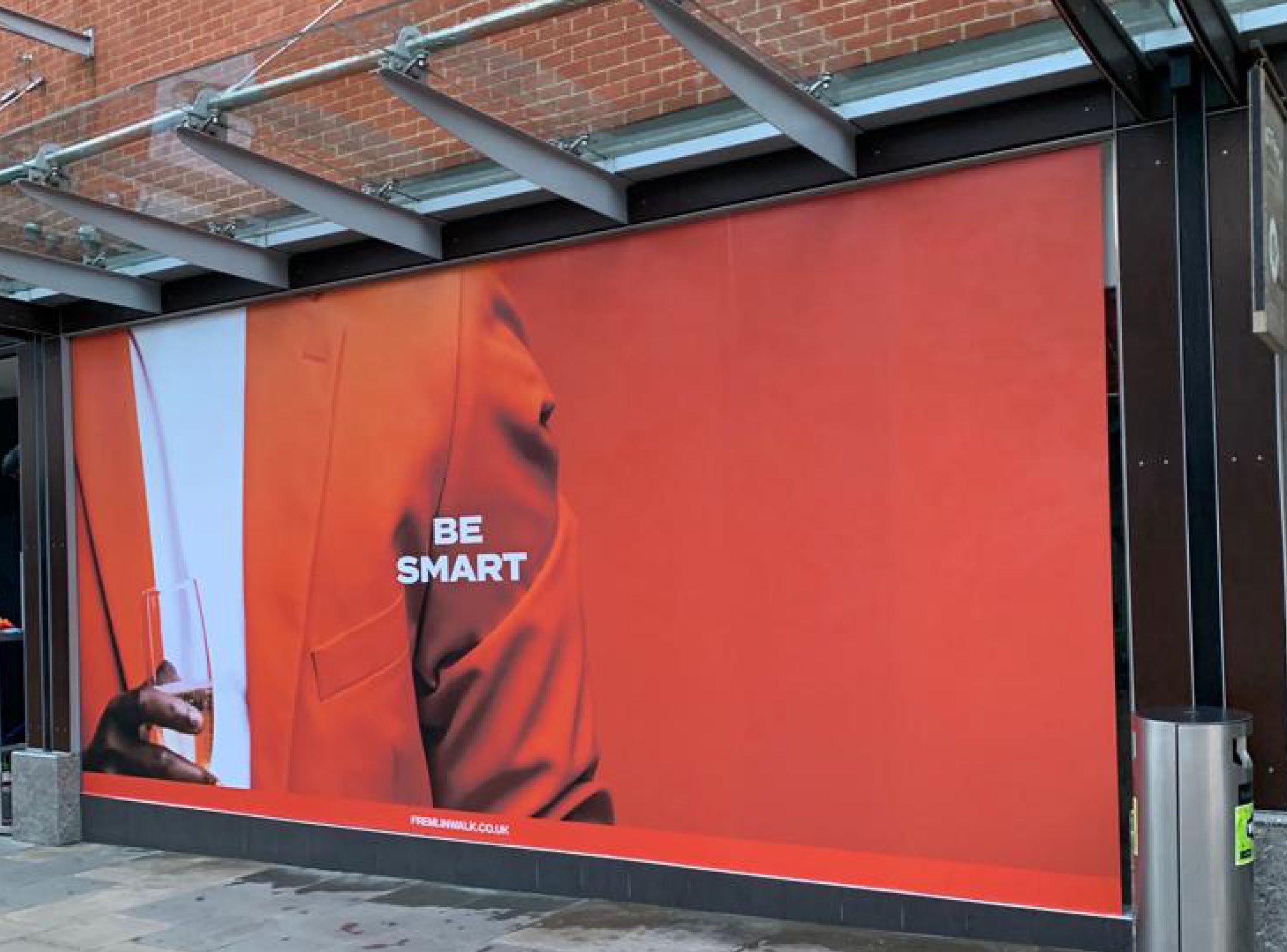
Outdoor signage in Kent does more than give directions or advertise a business. It has to survive the elements, especially through winter. Around this time of year, rain, strong winds, frost, and freezing nights become the new normal across towns like Maidstone and Tonbridge.
If signs are not built with weather in mind, they can end up worn out or unreadable well before spring arrives. That is where the right approach to signage printing in Kent makes a real difference. With some smart thinking up front, signs are more likely to look good and stay put even when the weather gets rough.
Choosing materials that can hold up during winter makes a big impact. So does knowing how long installation might take when the ground is soaked or winds are too strong to work safely. Winter design makes things harder to read too, especially when visibility drops in gloomy skies and earlier sunsets. Still, these are problems we can plan around.
Choosing Materials That Can Handle Kent Winters
Winter in Kent has its own rhythm and risks. Rain lashes rooftops, and puddles gather along every kerb. Cold mornings freeze pavement, and the ground rarely dries out. These conditions can take a real toll on signs that have not been designed for the season.
To build signage that lasts beyond a few months, material choices need to match what winter throws at them. Here is how we usually compare our options:
Vinyl is flexible, light, and easy to print onto. With waterproof inks, it lasts well outdoors, but without lamination or sealing, it can peel or fade faster in cold and wet conditions.
PVC foam board is stronger, more rigid, and a common choice for semi-permanent signage. It can hold up well in the cold, especially with protective coatings.
Aluminium composite panels offer excellent durability for year-long displays. They resist moisture and warping, which makes them a solid choice for areas prone to frost or strong winds.
Extra protection makes a difference too. Laminating a sign helps stop moisture from sinking in, which keeps colours bright and text readable. UV-safe coatings reduce fading when light does break through. Putting all this in place up front helps signs make it past February looking just as sharp as when they were first installed.
Absolute Creative Print offers a variety of weather-resistant signs, including aluminium composite options, temporary event boards, and both hanging and wall-mounted formats, with finishing upgrades to further boost durability for winter use.
Planning for Installation Delays and Post-Storm Risks
Even if the signs themselves are built to last, winter weather can affect when and how we install them. Across places like Tonbridge and Maidstone, we have had to deal with wind warnings, soggy ground, and surprise snow that all slow things down.
Installing a sign during a dry, calm stretch makes a big difference. Wet ground can make it tricky to mount posts or get enough grip for a solid foundation. High winds can stop work entirely, especially if large panels are involved.
For time-sensitive signage, like launches, openings, or late winter sales, a delay can mean missing the moment altogether. To help avoid that, we plan for flexibility and keep an eye on weather windows. Where possible, fittings are scheduled with extra room to adjust. Having brackets tested or ground conditions checked ahead of time can keep surprises to a minimum.
We have seen how one week of storms can push fitting back quite a bit. By factoring that in early, signs can still go up on time, even if the weather does not play along perfectly.
Getting the Design Right for Cold-Season Visibility
One thing people do not always think about is how winter affects what people can actually see. Days are shorter. The light is lower. Skies stay grey, and damp air can cling to every surface. All of it makes signage harder to notice and read.
To keep signs working through dark, wet weather, a few design tweaks matter more than usual:
Use strong colour contrast. Dark backgrounds with bright text (or the reverse) help lettering stand out when skies are dull.
Stick with bold, simple fonts. Thin or decorative lettering can blend into wet surfaces or disappear in low light.
Watch your spacing. Crowded layouts are harder to follow quickly, which matters when someone is driving or walking past in a rush.
Rain also adds glare, especially under streetlamps or headlights. Using satin or matte finishes helps reduce the reflection you get from glossy panels. That means your sign stays readable, not a shiny blur.
When we know signs need to work during late winter, we build design rules around these ideas to make sure nothing gets lost just because the sun calls it a day early. Careful planning at this stage helps maximise the sign’s usefulness while people deal with typical winter days in Kent.
Maintenance Matters: Keeping Signs Going Through March
Even well-made signs deserve a bit of care, especially when winter has been rough. A few quick checks now can carry signage through the last stretch of cold before spring arrives.
Storms often move things around more than expected. High winds might bend a panel out of shape or shake loose a fixture. Frost can swell materials or pull at seams. A sign might still be standing, but if its fixings have started to shift, it will not be long before something breaks fully.
Some smart ways to keep signs going strong:
Clean signs gently after a period of wind or rain. Dirt or debris can wear down surfaces over time.
Check mounts and posts for any movement after frost and thaw cycles. Ground shifts can change how stable a sign feels.
Look over for small cracks, bubbling, or lifting edges. These can grow worse quickly once temperatures keep changing.
A bit of care now can stop the need for a new print job just a few weeks later. It is much easier to spot wear before damage becomes too much to fix. Signs that receive regular check-ups usually last longer and remain sharper for those who pass by each day.
Smart Planning for Signage That Lasts Past Winter
We always plan outdoor signage for year-round conditions, but this time of year asks for a little extra attention. Cold, dark, and wet days do not just affect how signs are built, they shape how they are read and how long they last.
By thinking through material choices, layout, and timing while winter is still going strong, we help signage printing in Kent deliver solid results well into spring. When a sign can survive wind, rain, and frost without extra fixes or patch-ups, it saves money and avoids the pressure of urgent replacements just as the busy season starts.
Absolute Creative Print can install and maintain signage all over Kent, offering site surveys ahead of time to better plan for fitting conditions and provide expert advice on design and installation for the winter season.
The best time to get things right for winter signage was before the cold arrived. The next best time is now. With a few small changes and a bit of planning, signs put up in February can work well through March and beyond.
With winter nearly behind us, now is the perfect time to make sure your signage is ready to stand up to spring. We have helped businesses across Maidstone, Tonbridge, and the wider Kent area keep displays looking their best despite unpredictable weather. By selecting quality materials and carefully considering design and timing, your signs can stay sharp long after the cold fades. For support with adjustments or to plan your next round of signage printing in Kent, reach out to Absolute Creative Print and let’s create signage that stands out.